
Pichwai Painting

Updated: Jul 5, 2025

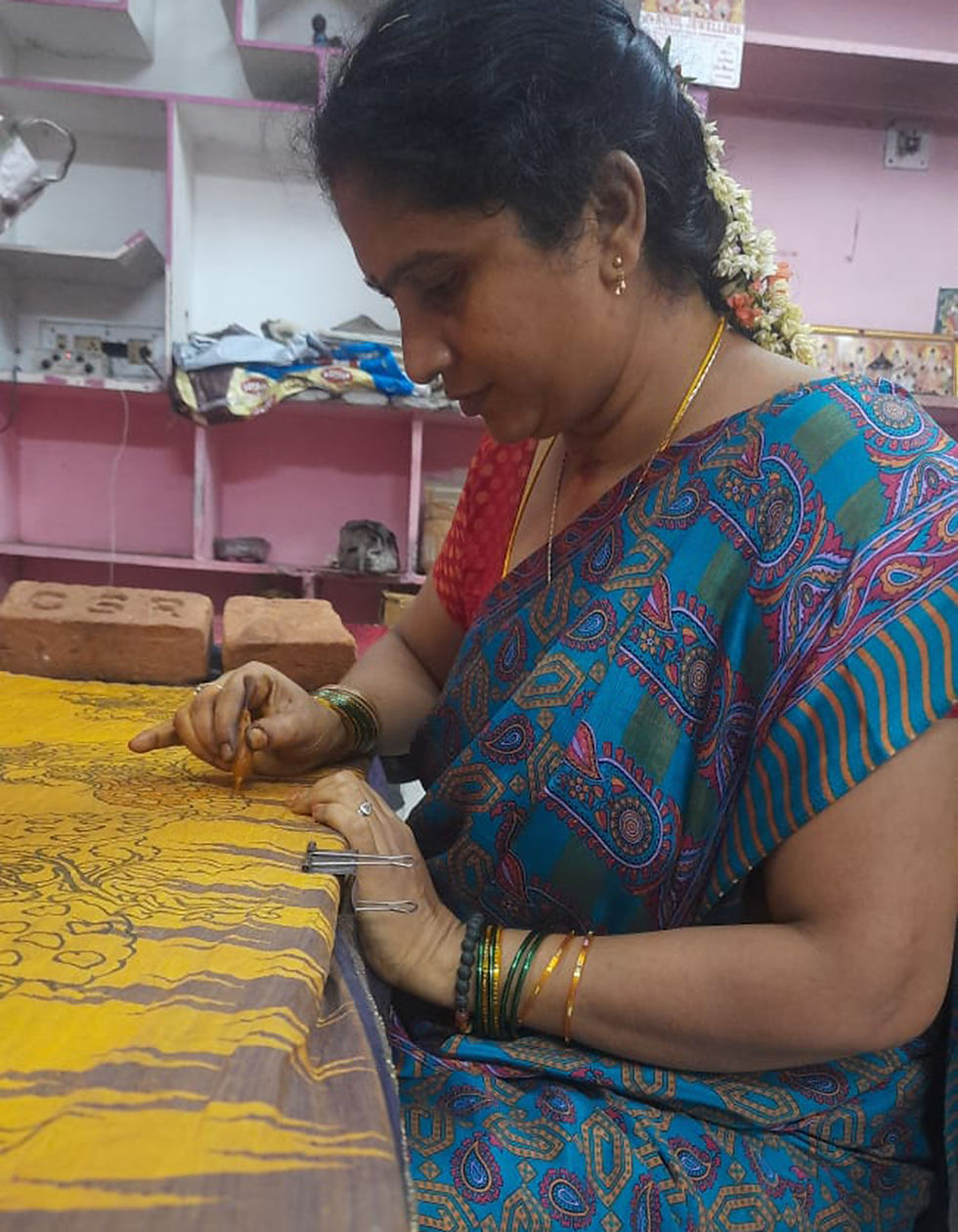
Pichwai craft is a vibrant tapestry of devotion, a traditional Indian art form that originated over 400 years ago in Nathdwara, Rajasthan. This centuries-old craft transforms cloth into divine canvases, primarily celebrating the playful and loving nature of Lord Krishna, particularly focusing on his incarnation as Shrinathji. Each Pichwai is a meticulously hand-painted masterpiece, renowned for its vibrant colors, intricate details, and elaborate themes. The artwork often depicts festivals, seasons, and devotional stories,
creating a spiritual experience where every brushstroke conveys a whisper of devotion, turning walls into sanctuaries of culture and tradition.
The Shrinathji temple’s establishment marked the beginning of the Pichwai art form’s prominence. Chief Priest Vithalnath employed skilled artisans to create Pichwai paintings specifically for religious worship and ceremonies. Initially, these paintings were crafted exclusively by artisans commissioned
by the chief priest. Over time, artisans from regions such as Gujarat and Mathura began practicing the Pichwai art, further enriching its tradition. Rooted in the Pushtimarg Sampradaya founded by Vallabhacharya, Pichwais embody the deep spiritual heritage of this devotional path.
In the Pushtimarg Sampradaya, pichhwais serve two primary purposes:
Temple Backdrops: Pichhwais function as ornate backdrops for the inner sanctum of the temple. These backdrops are thoughtfully changed according to the occasion, festival, or season, reflecting the sacred significance of the time.
Documentation of Worship: Each pichhwai vividly captures the intricacies of worship within the faith. They illustrate the elaborate rituals, adornments, emotions, and atmosphere associated with various festivals and ceremonies. Daily worship of Shrinathji is represented through eight distinct formal viewings, with pichhwais depicting the unique adornments for each viewing. Major festivals like Govardhan Puja, Sharad Purnima, Raslila, and Holi are detailed in these artworks, showcasing the modes of worship, ceremonial items, and festive practices.

Comments